Government-Designated Shelters in Lebanon’s 2024 Displacement Crisis
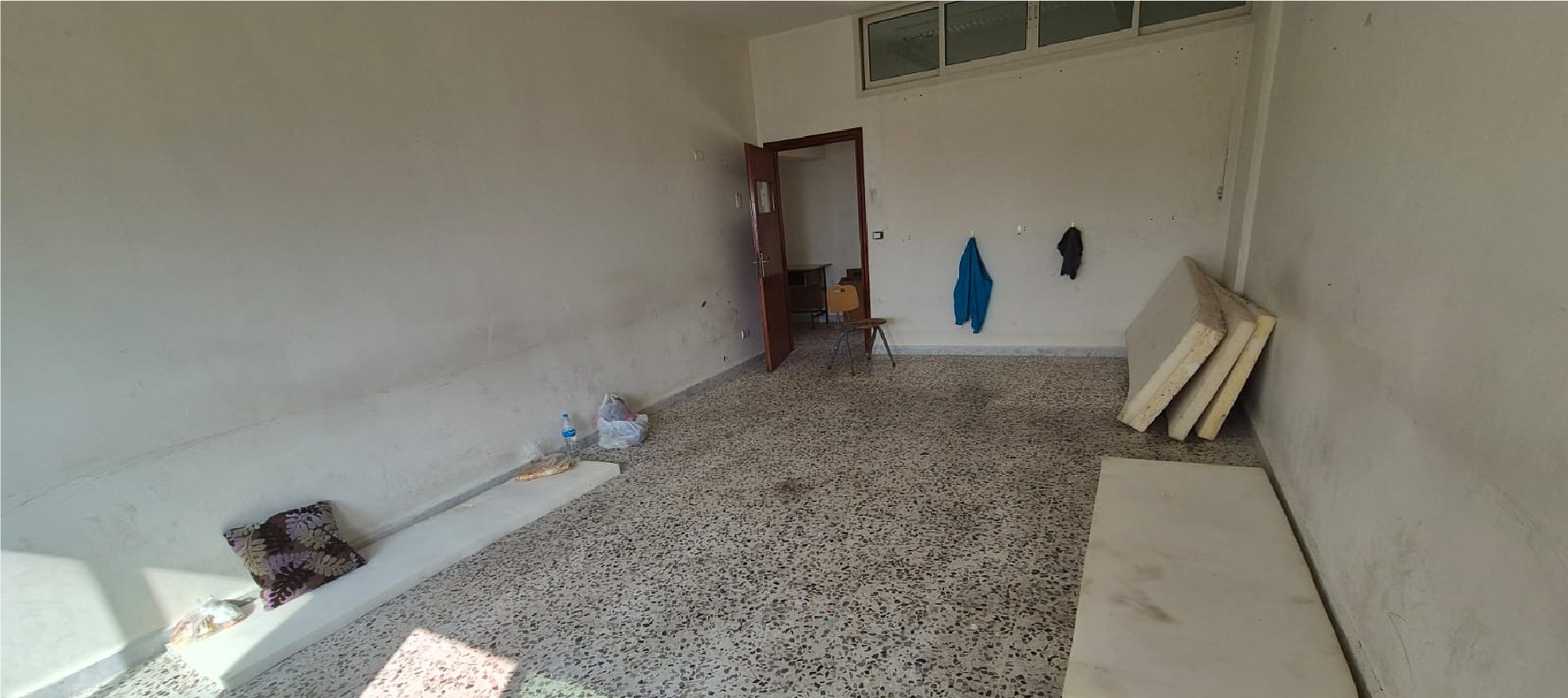
At a time when Lebanon continues to grapple with one of its most severe displacement crises, understanding how emergency displacement governance functions on the ground is critical for building better-planned and more equitable responses.
In the report "Government-Designated Shelters in Lebanon's 2024 Displacement Crisis: Displacement Patterns, Emergency Response, and Hybrid Governance," the Beirut Urban Lab examines internal displacement patterns in Lebanon during the 2024 war, with a focus on the governance of government-designated collective shelters.
Drawing on BUL’s own designated shelter-mapping platform, IOM Mobility Snapshots, and DRM Situation Reports, the research traces three distinct phases of displacement: a pre-war period dominated by private hosting; a war phase in which designated shelters operated; and a post-ceasefire period defined by a shift toward long-term renting among those unable to return.
The report maps the government actors and their role in emergency and displacement governance. It shows how designated shelters, mainly public schools, functioned as temporary emergency overflow infrastructure: rapidly activated at the onset of the war but closed immediately after the ceasefire.
The report shows how designated shelter governance operated through a hybrid model, in which the state provided legal authority while day-to-day operations, resource distribution, infrastructure rehabilitation, and security emerged from negotiated arrangements among public authorities, international donors, municipalities, private property owners, political actors, religious endowments, and local volunteers. These dynamics are illustrated through a detailed case study of the Orthodox Charitable Association (OCA) shelter in Baskinta, Metn, highlighting its operations, management, population turnover, and aid networks. The report concludes with recommendations for pre-emptive planning, asset maintenance, structured management protocols, and post-closure support to strengthen Lebanon’s displacement response.
Project Lead: Howayda Al-Harithy
Researcher: Wiaam Haddad
Design: Karim Chaltaf
Funding Agency: IDRC Program on Forced Displacement at AUB